CAD E60 Reviews: See Why 0 Shoppers Rated It 0 Stars!
The CAD E60 microphone got a 0/5 from 0 musicians. But the story goes deeper. Hear what the Soundfindr crowd had to say about these CAD Audio microphones.
 Supermod
  Moderator
 Recaptor
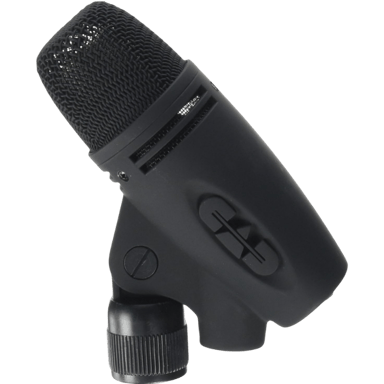
 CAD E60: An In-Depth Look at a Reliable Condenser Microphone for Studio and Live Use
When it comes to choosing the right condenser microphone for professional audio recording or live performances, the CAD E60 stands out as a practical yet straightforward option. Designed primarily for studio and live instrument recording, this microphone targets intermediate and professional users who need consistent sound capture without a complex setup.
Released in 2000 by CAD Audio, a brand known for its dependable audio equipment, the E60 combines traditional engineering with essential features that make it a staple in controlled environments. On paper, its cardioid polar pattern and wired XLR connectivity contribute to a robust and focused sound capture, ideal for musicians and vocalists aiming for clarity and precision.
Detailed Specs & Features
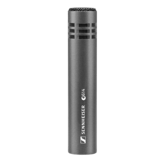
The CAD E60 is a condenser microphone with a pencil-style form factor that measures approximately 9.75 inches in height and just under five inches in width. This compact design, combined with a lightweight profile of about one pound, ensures it's practical for on-stage and studio settings without being cumbersome. Its small diaphragm capsule, with a diameter of 0.5 inches, is engineered to deliver detailed audio capture, particularly favoring high-frequency articulation, which is essential in delicate instrument recording.
Boasting a frequency response range from 20 Hz to 20,000 Hz, the mic covers the full audible spectrum, ensuring no sonic detail is missed from low bass to shimmering highs. According to specs, its signal-to-noise ratio of 81 dB suggests relatively low background noise performance, suitable for studio settings where clarity is critical. The maximum sound pressure level (SPL) is rated at 135 dB, allowing it to handle loud sources without distortion, making it versatile for multiple applications, including live instrument miking.
Connectivity-wise, the model sticks to a standard XLR interface with balanced analog outputs. This supports compatibility with a range of mixers, audio interfaces, and PA systems. The mic also requires standard 48V phantom power, common in professional audio gear, enabling it to remain a plug-and-play option in studio racks or live sound setups. Its cable is detachable, increasing convenience for transport and cable replacement.
User Experience & Performance (Based on Specs)
Design & Build
In daily use, the CAD E60's metal body material and matte finish not only provide an understated aesthetic but also reinforce its durability. This rugged build stands up well against the rigors of repeated handling during sessions or tours. The inclusion of a steel grill serves as robust protection for the capsule, while an internal foam dampening material reduces unwanted mechanical vibrations. Practical features such as a detachable mount and a swivel-pivot capability allow flexible positioning on stands or clips, which is crucial for precise sound capture angles in studio or stage contexts.
Performance
Performance expectations level up with the microphone's fast transient response, meaning it can accurately capture sharp attacks and subtle nuances without delay or smearing. Studio-grade internal preamps with a transformerless design ensure a clean signal path with minimized distortion, indicated by the low total harmonic distortion (THD around 1%). While the mic lacks some advanced features such as proximity effect control or voice isolation enhancements, its respectable dynamic range of 115 dB allows it to handle a variety of sound volumes reliably.
Audio Quality
The cardioid directionality implies the microphone captures sound predominantly from the front, isolating the intended source while reducing ambient noise from the sides and rear. Though it does not offer multi-pattern switching or AI noise cancellation, its natural acoustic pressure gradient design yields a consistent tonal quality favored by traditional recording setups. Moreover, the low-cut filter set at 80 Hz helps mitigate rumble and low-frequency noise, improving clarity without compromising the vocal or instrument body.
Extra Features
While the CAD E60 does not include LED indicators, gain controls, or onboard digital processing, it maintains straightforward traditional switch controls for basic operation. This focus on simplicity appeals to users who prefer reliable analog hardware over complicated interfaces. Its shielding against RF interference adds a layer of trust for clear audio in environments prone to radio frequency noise, which can be common on busy stages or studio floors.
Pros & Cons
Pros
- Strong frequency response range suitable for detailed audio work
- Durable metal construction with versatile mounting options
- Balanced XLR output with phantom power support
- Low distortion and studio-grade preamp quality
- Affordable price point with a reliable brand backing
Cons
- Lacks modern advanced features like multi-pattern switching or noise cancellation
- No onboard gain control or LED indicators for operation feedback
- No included stand or cables, requiring separate purchases
Price & Value for Money
Priced at just under $94, the CAD E60 offers solid value given its 1-year warranty and professional-grade hardware. Its reliance on a standard 48V phantom power source and balanced analog output aligns well with conventional studio setups, making it a versatile addition without burdening the budget. Although it misses out on many advanced digital or software integrations, this simplicity actually benefits environments prioritizing pure audio authenticity over gimmicks. For musicians and producers seeking a budget-conscious condenser with clean, reliable output, the price feels fair and justified, especially considering the mic's durable build and consistent performance specs.
Quick Take
In short, the CAD E60 packs an essential set of features into a durable, rock-solid design that suits intermediate and professional audio users well. If we look at the numbers alone, it covers all fundamental bases; from a balanced frequency response and stable XLR connectivity to a noise-floor level that's respectable for studio environments. While it doesn't cater to users chasing the latest tech bells and whistles, it excels where it counts: dependable, consistent sound capture.
Closing Recommendation
The CAD E60 may be ideal for professionals or serious hobbyists who need a reliable condenser microphone that focuses on core functionalities without complexity. It helps users achieve clear and precise recordings, particularly in controlled or live settings that don't demand extensive feature sets. As a straightforward yet sturdy audio tool, it continues to hold its own in a competitive market by sticking to proven design and performance fundamentals.
Verdict
Rating: Based on the specifications and overall feature set, we believe CAD E60 deserves 4.0 out of 5.
- Winner Feature => The microphone's balanced XLR connectivity and cardioid pattern provide excellent versatility for studio and live instrument recording.
- Needs Improvement => Inclusion of modern features such as onboard controls or noise cancellation would elevate usability in more dynamic settings.
Reviews 0
The good, the bad, and the brutally honest.Average Rating

More Microphones 1229
Unlock more awesome finds.